
Feature Articles
Have a topic request or want to submit an article? Contact the MAGNIFYI Editors
Don’t Blame Data Centers For Higher Rates, Experts Say
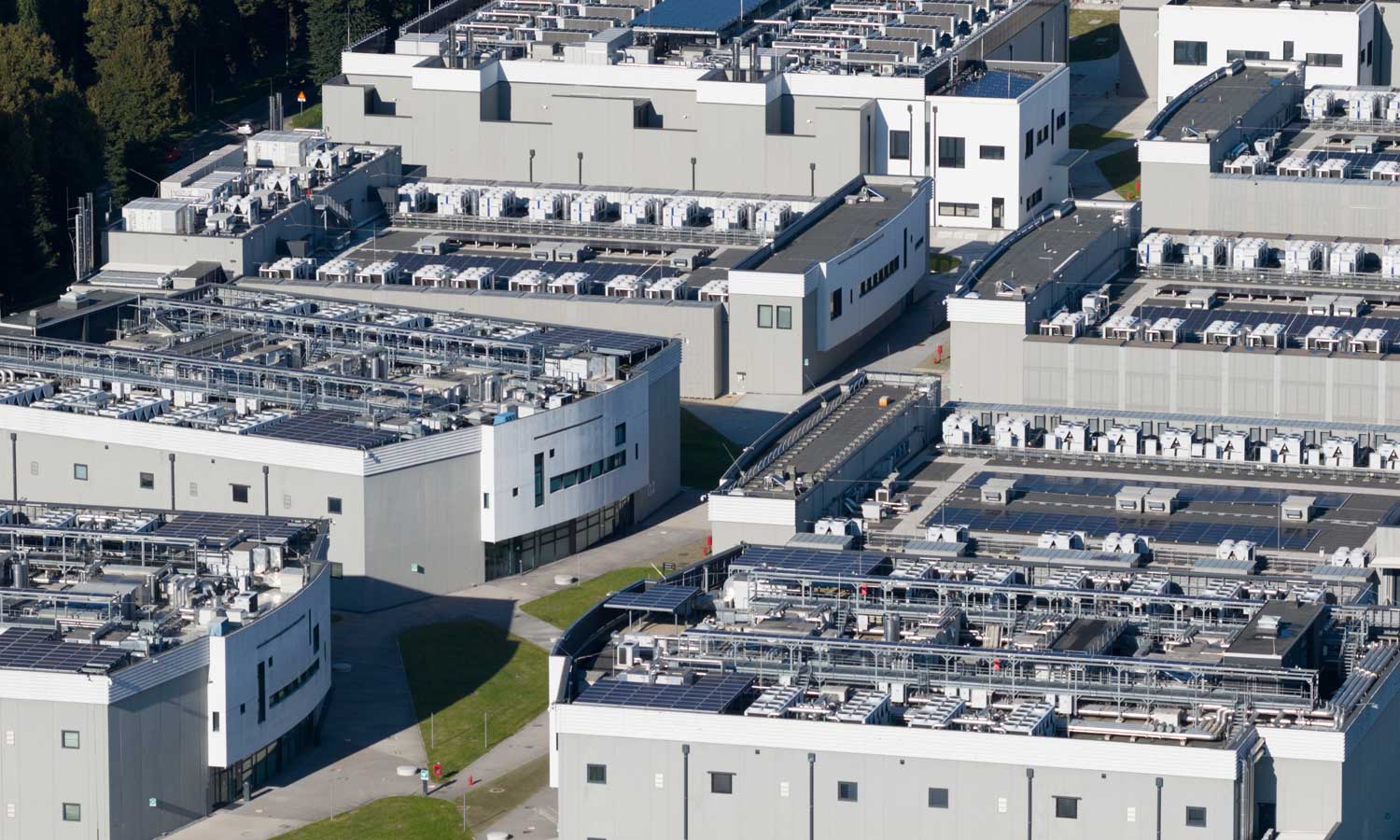
New demand from large loads like data centers can reduce retail electricity prices when the incremental costs of serving the new loads are below current average costs, a power industry research group said in a study released late last month.
States with higher load growth between 2019 and 2024 generally experienced smaller electricity price increases, or declines, according to the Electric Power Research Institute (EPRI), while states with flat or falling sales tended to see larger price increases.
The findings were published in a study called Win-Win Watts: When Can Data Centers, Efficient Electrification, and New Loads Lower Electricity Prices?
Retail electricity prices have been rising with inflation in most states through 2024, according to EPRI.
Recent market upticks and utility rate requests have stoked fears that data centers and other large new loads could shift the costs of generation and infrastructure additions to other customers.
The study concluded this is not always the case, depending partly on how costs are allocated across customer classes and whether large load tariffs fully cover their incremental costs.
The study found that transmission and distribution expenditures are the primary drivers of recent cost increases, often driven by refurbishment of existing infrastructure rather than serving new demand. This suggests that when system costs are recovered through volumetric charges, higher demand tends to reduce average prices.
EPRI’s research found that on average, a 10% increase in load is associated with a 0.6¢/kWh reduction in prices, but outcomes vary widely by region. Studies suggest that load growth can meaningfully moderate price increases, though long-run causal evidence remains limited.
Meeting load growth requires planning that links emerging demand sectors with clean energy and grid investments, rate design that protects existing customers from cost shifting and demand flexibility of the new loads that reduces net peak contributions and defers capital spending, EPRI said.
Data centers attempt to maximize revenue by prioritizing higher value jobs, and face volatile demands from users with real-time queries known as inference workloads, Wannie Park, CEO of PADO AI, told MAGNIFYI.
The company is a subsidiary of LG Corporation taking part in an EPRI demonstration to show how data centers can support the grid. PADO AI provides software to prioritize jobs at data centers to more efficiently use their powerful graphics processing units and cooling equipment, which requires as much electricity as the computers.
“As more companies and more people start using these AI tools to become more productive, what you are going to see is a corresponding peak in power requirements and demand,” he said.
He told MAGNIFYI that “no one is ready” for the response of the energy markets to data center use, which could result in congestion on the grid.
The EPRI study said price impacts depend on whether serving new customers costs more or less than the average cost of serving today’s customers.
In regions with spare capacity or lower-cost new generation, additional load can spread system costs, improve utilization of grid assets, support emerging technologies and reduce emissions.
Even where spare capacity exists, new load may push the system onto higher-cost portions of the supply curve, which can offset the benefits of spreading costs.
EPRI also found that when new load triggers high-cost transmission, distribution, or generation investments, or when these customers don’t consume as much power as expected or leave the system, prices may rise.
When total incremental cost is below current average costs, new load tends to reduce average prices; when it is above, it tends to increase them.
The conclusions of EPRI rely heavily on a December 2025 article in The Electricity Journal, a scholarly scientific publication. The lead author of the article is Ryan Wiser, senior scientist and senior advisor in the energy markets and policy department at Lawrence Berkeley National Laboratory in California.
Wiser’s analysis of data from the U.S. Energy Information Administration found that states with faster load growth generally experienced smaller price increases, or even price declines, while states with flat or falling sales tended to see larger price increases.
A separate study by consultants Charles River Associates for the Edison Electric Institute (EEI) released on February 2 found that data centers did not trigger increases in retail rates over the last decade, with one exception.
“We did find that the high prices observed in recent capacity auctions in the PJM Interconnection were caused, in part, by expected demand growth from data centers,” the consultant said.
Where rate increases occurred, the study said, they were driven by specific, localized factors that increased utilities’ operating costs. “Few hyperscale data centers have started operations, making it unlikely that they could have contributed to rate increases, and the markets where rates have increased are not those where most data centers are being built,” Charles River said.
EPRI found studies that suggest load growth can moderate average price increases, but the direction and distribution of price impacts depend heavily on rate design, cost recovery mechanisms, and how new loads interact with system planning.
Even when system-wide costs decline on a per-unit basis, cost allocation methodologies may prevent these benefits from flowing to existing customers, EPRI said. Safeguards in rate design could include minimum contract terms, minimum monthly billing demand, collateral and fiscal security requirements and exit fees.
Several states have begun to employ new rate designs.
The Georgia Public Service Commission accepted ratepayer protection rules in early 2025 for large customers to bear the full costs for the generation, transmission and distribution infrastructure required to serve them.
Wisconsin Electric Power Company has proposed a very large customer tariff to serve new loads of 500 MW or more, featuring an initial contract term of 10 years, with minimum billing requirements and direct cost allocation terms that ensure full cost recovery regardless of monthly usage.
“The protections being embedded in new tariffs and ratemaking measures are designed to prevent subsidies from existing ratepayers, help maintain utilities’ creditworthiness, and may put downward pressure on existing customers’ retail rates,” the Charles River study for EEI added.
Data centers appear to have gotten the message to pay their own way.
To build its proposed AI data center in Louisiana, Meta is bankrolling three new gas-fired power plants totaling 2.26 GW at the site, along with a substation.
Northern Indiana Public Service Company announced in November that it intends to provide Amazon data centers in its service area with 2.4 GW of new supply by 2032 through an affiliate generation subsidiary.
Microsoft last month committed to pay electricity rates sufficient to cover incremental grid investments, forgo local tax abatements and address water impacts for AI data center development.
Other groups have diverse explanations for power market trends.
A report released January 29 by the New York ISO primarily cited high natural gas prices and LNG exports as the cause of higher power prices.
“Shrinking reliability margins and increasing reliance on older and less efficient generators are compounding pricing outlooks,” the ISO said.
The grid operator also said retail electricity prices are rising due to infrastructure investments and regulatory requirements.
Powerlines, a consumer advocacy group, on January 26 ascribed higher rates on a national basis to infrastructure replacement, recovery from extreme weather events, volatile fuel costs and growing demand.
Editor’s Picks

