
Feature Articles
Have a topic request or want to submit an article? Contact the MAGNIFYI Editors
The Branding Problem in Competitive Energy Markets
How The Word “Deregulation” Shaped Public Perception Of An Industry That Is Still Heavily Regulated
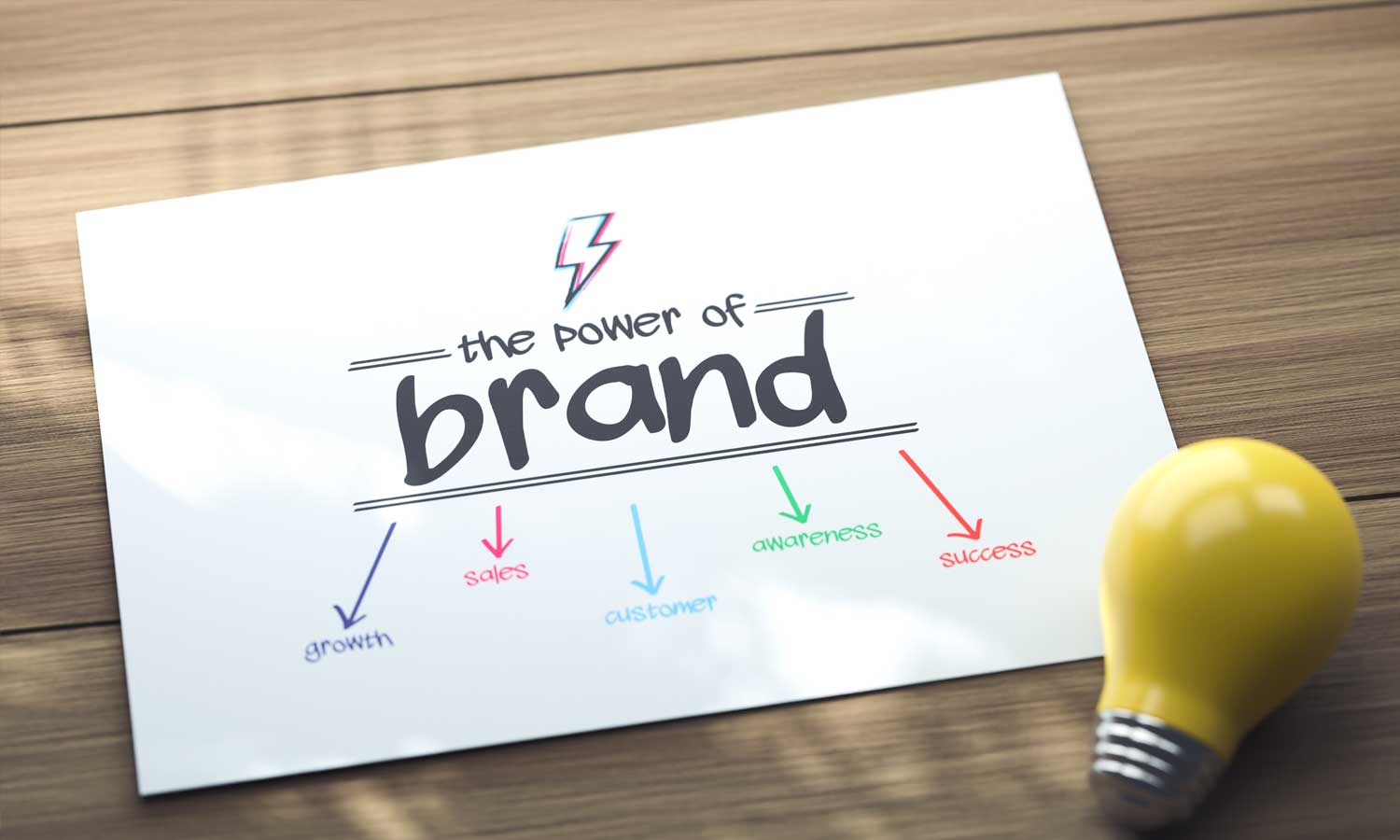
Words shape markets.
They influence how policymakers debate regulations, how journalists frame stories, and how consumers understand industries. In the case of retail electricity markets, one word in particular has quietly shaped public perception for decades:
“Deregulation”
In industries built on consumer choice, branding and language play a critical role in establishing trust—and the words used to describe a market can influence whether customers view it as an opportunity or a risk.
But the term has always been misleading. Competitive electricity markets did not remove regulation—they introduced competition within a highly regulated system.
Continuing to describe these markets as “deregulated” may be one of the industry’s most persistent—and unnecessary—branding mistakes.
A Word That Carries the Wrong Meaning
The term “deregulation” carries powerful associations.
For many people, deregulation implies fewer rules, reduced oversight, and markets operating with limited safeguards. It can evoke images of instability, opportunistic behavior, and consumers exposed to unnecessary risk.
Those perceptions were reinforced in the early 2000s when the collapse of Enron and the California electricity crisis became defining moments in the public narrative surrounding energy markets. In the public imagination, “energy deregulation” became linked with market manipulation, price spikes, and corporate misconduct.
Yet those events were largely the result of specific market design failures and bad actors, not the concept of competitive retail electricity markets themselves.
Nevertheless, the damage to the term “deregulation” was done.
Even today—more than twenty years later—the word still carries those negative connotations.
The Reality: Highly Regulated Competitive Markets
The irony is that retail electricity markets were never truly deregulated.
In every state with competitive retail supply, electricity markets operate within extensive regulatory frameworks established by state public utility commissions.
Competitive suppliers must:
- Obtain licenses from regulators
- Comply with detailed consumer protection rules
- Follow strict marketing and disclosure requirements
- Operate under oversight from state commissions
At the same time, electric utilities continue to operate transmission and distribution infrastructure, maintain reliability, and restore service during outages.
Wholesale electricity markets remain regulated at the federal level by the Federal Energy Regulatory Commission (FERC).
In other words, electricity markets did not become deregulated.
They became competitive markets operating within strong regulatory oversight.
An Industry Branding Problem
Ironically, the retail energy industry itself helped reinforce the problem.
For years, industry participants often used the terms “deregulated” and “competitive” interchangeably, without recognizing how different those words sound to consumers.
But the difference is significant.
The word “competitive” conveys positive attributes. It suggests companies competing for customers by offering better service, better pricing, and more innovative products.
The word “deregulated,” by contrast, suggests the removal of rules and oversight.
Even when both words are used to describe the same market structure, they send very different signals.
One suggests opportunity.
The other suggests risk.
From a branding perspective, the difference could not be more important.
Why Language Matters
Public perception plays a powerful role in shaping energy policy.
When markets are consistently described as “deregulated,” it reinforces the belief that oversight has been removed and consumers have been left exposed.
That perception can influence how journalists report on the industry, how policymakers frame regulatory discussions, and how consumers evaluate their choices.
Using more accurate language helps correct that misunderstanding.
Describing these markets as “Competitive Energy” reflects the reality that companies compete for customers while operating within a strong regulatory framework.
It is both more accurate and more constructive.
Conclusion: Time to Retire the Word “Deregulation”
The retail electricity industry cannot control every aspect of the public conversation about energy markets.
But it can control how it describes itself.
For decades, the industry has casually referred to “Deregulated Markets” even though the term misrepresents how these markets actually function.
Changing that language is important.
Instead of referring to “Deregulated Markets,” the industry could consistently describe them as “Competitive Markets”.
That simple change in Branding can make a big difference for the future of our industry.
=============================
About the Author
Dan Sullivan is a Marketing expert with more than three decades of experience across Competitive Retail Energy, Consumer Packaged Goods, and Technology. He spent over twenty years developing customer acquisition and market growth strategies in Competitive Energy Markets and later led Marketing and Brand initiatives in CPG and technology sectors. Dan is part of Heights Group Consulting.
Editor’s Picks

