
Feature Articles
Have a topic request or want to submit an article? Contact the MAGNIFYI Editors
30-Day Compliance Alert: Pennsylvania’s New Telemarketing Requirements Are Almost Here
The countdown is on. Is your organization ready?
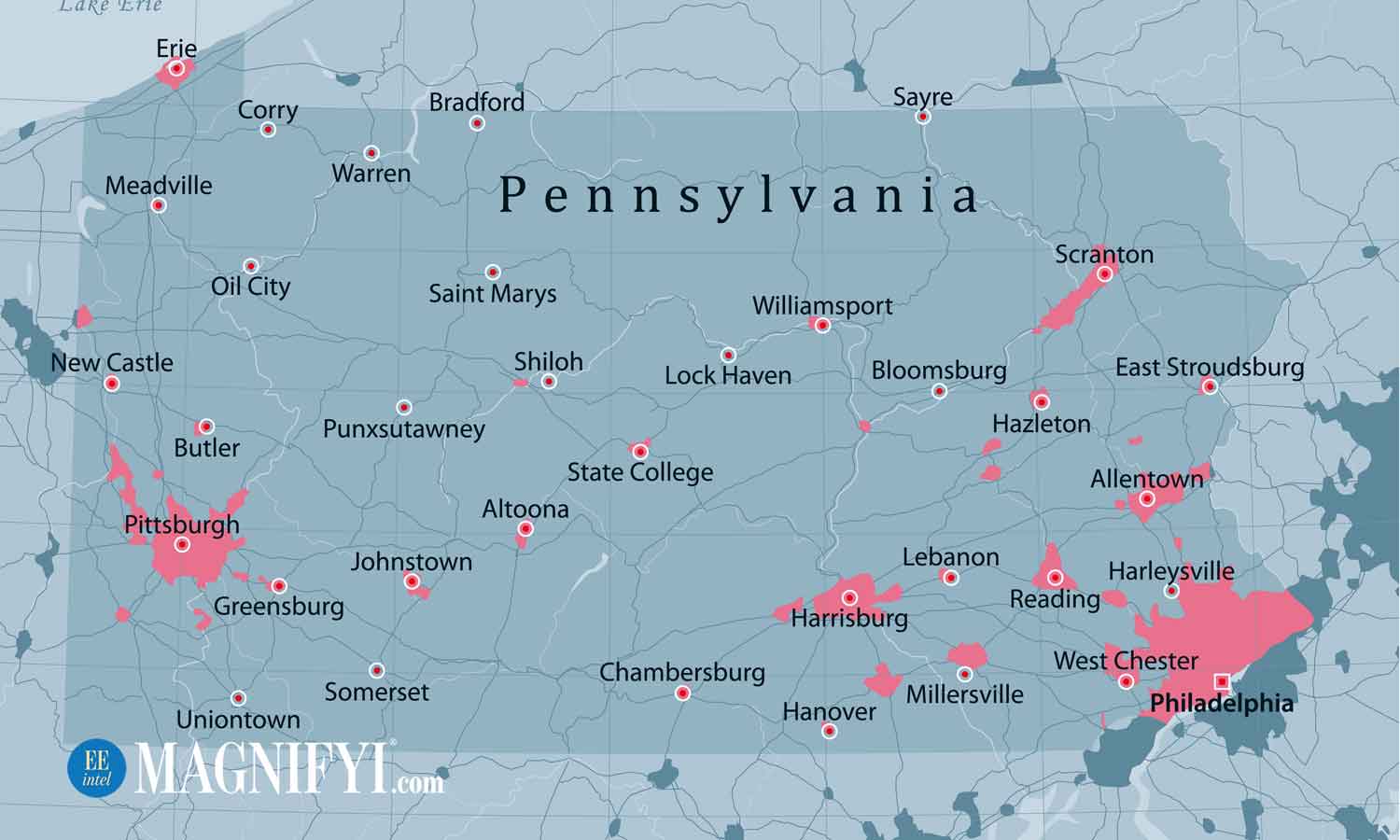
Pennsylvania’s updated telemarketing requirements under Act 47 of 2026 (formerly SB 992) are approaching, and businesses should be moving from reviewing the law to implementing and testing their compliance processes now.
The law significantly modernizes Pennsylvania’s Telemarketer Registration Act, including its application to telephone calls and messages, registration requirements, calling restrictions, text-message opt-outs, robocalls, and do-not-call compliance.
With approximately 30 days remaining, the question for businesses is no longer simply “What changed?”
It’s “Are we operationally ready?”
Five Actions Businesses Should Be Taking Now
1.Confirm Your Pennsylvania Registration Status
Determine whether your organization and the vendors conducting telemarketing on your behalf are required to register with the Pennsylvania Office of Attorney General.
The amended law generally requires a telemarketer or telemarketing business to register at least 30 days before offering consumer goods or services, subject to the exemptions provided by the statute. Don’t skip this and leave a compliance gap.
Action: Document whether your organization is required to register, qualifies for an exemption, or is otherwise excluded and don’t overlook third-party vendors.
2. Review Your Calling Hours
Pennsylvania’s new requirements restrict telephone solicitations on Sundays, before 9:00 a.m., and after 7:00 p.m.
Action: Review dialing platforms, campaign schedules and vendor configurations now. Don’t rely solely on written policies confirm that your technology actually prevents campaigns from operating outside permitted hours.
3. Test Your SMS Opt-Out Process
The law expressly addresses consumer revocation through text responses, including STOP, QUIT, END, REVOKE, OPT OUT, CANCEL and UNSUBSCRIBE.
Action: Test each keyword across your SMS platforms. Confirm that the request is captured, the number is suppressed, the information reaches the appropriate internal systems, and future solicitations are prevented.
4. Review Consent, DNC and Suppression Records
Prior express written consent and certain existing relationships are important under the amended law. The statute also continues to prohibit telephone solicitations to subscribers who have indicated they do not want to receive them.
Action: Make sure you can demonstrate where consent came from, when it was obtained, what the consumer agreed to, and whether that consent has subsequently been revoked.
Your internal Do Not Call and suppression processes should also be reviewed across the enterprise not just within individual marketing platforms or dialing programs.
5. Audit Your Vendors Before the Deadline
Your compliance program is only as strong as the partners executing it.
Call centers, lead generators, marketing agencies, SMS providers and other third parties communicating with Pennsylvania consumers should be part of your readiness review.
Action: Ask vendors to confirm in writing their registration status, calling-hour controls, DNC procedures, SMS opt-out capabilities, consent handling and documentation practices.
Don’t Just Review, Make Sure to Test
One of the biggest mistakes businesses can make during a regulatory implementation period is updating a policy without verifying that the process actually works.
Run test records. Send the opt-out keywords. Check suppression files. Review dialing hours. Pull a consent record. Confirm vendor controls.
The goal should be to identify compliance gaps now not after the requirements take effect.
The 30-Day Countdown Has Started.
If your organization markets to Pennsylvania consumers through calls, texts or robocalls, now is the time to make sure your compliance program is ready.
Don’t wait for the effective date to discover a compliance gap.
============================
About Nexxa
Nexxa helps organizations operationalize marketing compliance through centralized compliance solutions, contact validation, and data intelligence that support responsible customer engagement across multiple regulatory frameworks.
This article is provided for informational purposes only and does not constitute legal advice. Organizations should consult qualified legal counsel regarding the application of Pennsylvania Act 47 of 2026 to their specific business practices.

